US research consistently links denser tree canopy to stronger property value trends, and Orange County, Florida, just launched its first 20-year plan to protect and expand that canopy across the region.
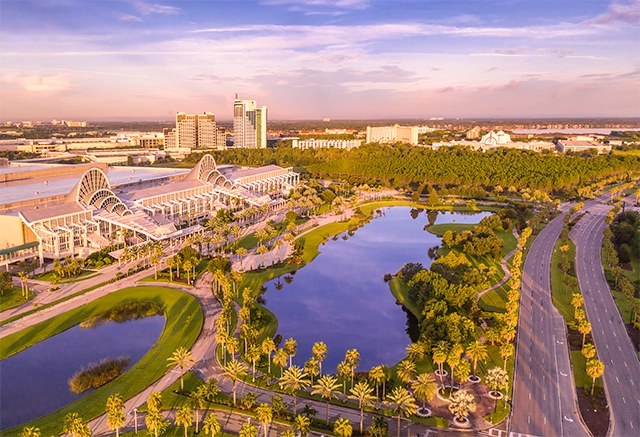
When buyers evaluate what drives long-term value in a Florida community, the conversation usually centers on location, infrastructure, proximity to employment hubs, and the reputation of a planned community. One factor that gets less attention, but is increasingly studied in US real estate economics, is neighborhood tree canopy. Orange County, which includes Orlando, one of the strongest real estate markets in the United States, and much of the metro area where Florida Connexion operates, formalized in 2026 its first structured, long-term policy effort on exactly this issue.
This article covers what Orange County's new Urban Forest Master Plan actually involves, what US academic research has found about the relationship between tree canopy and home values, and why this kind of green infrastructure investment is a relevant data point for anyone evaluating property in the Orlando area.
What Orange County's Urban Forest Master Plan Actually Covers
Orange County officially began work on its first Urban Forest Master Plan on Arbor Day 2026, as part of its "OC Loves Trees" initiative (Orange County Government Newsroom). The plan is a 20-plus year roadmap to guide tree planting, protection, and care across neighborhoods, roadways, and business centers in all 13 municipalities within the county, including Orlando.
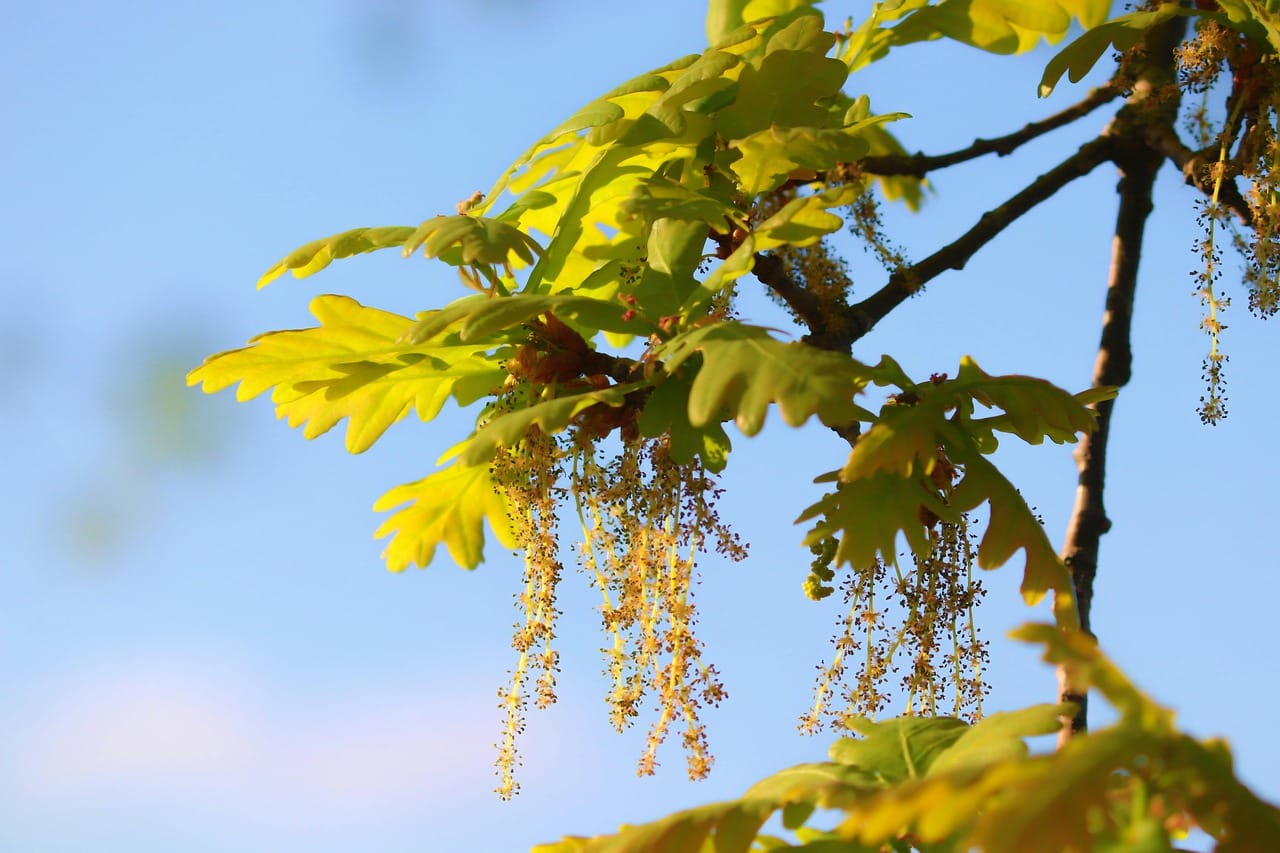
According to the county's own announcement, Orange County's tree canopy stood at 35% in 2024, but it is unevenly distributed. Conservation and rural areas hold most of that coverage, while urban and suburban neighborhoods, precisely where most residential growth is happening, have been losing canopy as development continues (FOX 35 Orlando).
The plan's first phase is expected to wrap up by winter 2027. A key milestone along the way is a public meeting scheduled for September 29, 2026, from 6 to 8 p.m. at the Innovation Center, where residents can weigh in directly on proposed guidelines. The county has also opened an ongoing engagement channel through its Engage Orange platform.
Orange County Mayor Jerry L. Demings put it this way: "Trees are an important part of what makes Orange County a great place to live, work and visit. As our community grows, we have an opportunity to protect our tree canopy while planning for the future." Brooke Perry, with the county's zoning division, added a similar point about the process itself: "It's not just my plan. It's a plan for the residents of Orange County."
What the Research Actually Shows About Trees and Home Values
The link between tree canopy and property values is not a subjective impression. It is a well-established field within US urban economics, built on decades of hedonic pricing studies, research designed to isolate the effect of one specific feature on a home's sale price.
A national meta-analysis published in Ecological Economics, drawing on 21 studies and 157 observations across the United States, found a consistent pattern: the effect of tree cover on home values is significantly stronger in neighborhoods that already have more trees. The estimated elasticity in neighborhoods with more than 25% tree cover (0.013) is roughly four times larger than in neighborhoods with 0 to 10% tree cover (0.003) (ScienceDirect).
A second notable finding from the same research: canopy located off the property, on streets, in parks, and in shared neighborhood space, tends to have a larger effect on home value than canopy on the property itself. In practical terms, trees function as a public good. A buyer in a well-treed neighborhood benefits from the collective landscape, not just from what is planted in their own yard.
It is worth being precise here. None of this research guarantees appreciation for any individual property, and Florida Connexion does not present projected appreciation or returns as guaranteed. What the research shows is a consistent market-level correlation, one more data point for evaluating neighborhoods and communities in the greater Orlando area, alongside factors like infrastructure, mobility, and proximity to job centers.
What This Means in Practice for Buyers and Investors in Orlando
For US buyers and investors evaluating the greater Orlando market, Orange County's new plan carries three practical implications:
- Well-treed neighborhoods tend to be more stable over the long term: public policy that protects tree canopy reduces the risk that a neighborhood gradually loses the exact attribute that makes it desirable today.
- New developments in Orlando will likely need to incorporate tree-friendly design: the plan calls for design standards that guide how trees are integrated into new development, which could shape landscaping in planned communities that have not yet broken ground.
- Thermal comfort is a concrete quality-of-life factor in Florida: shade and heat reduction are benefits the county cites directly, relevant to day-to-day livability in Orlando, not just to a property's resale potential.
At Florida Connexion, we evaluate every opportunity within a complete strategy, one that goes beyond the listing price to account for a neighborhood's long-term fundamentals, including return on investment (ROI), public infrastructure, mobility, and increasingly, urban sustainability policy like this one.
Frequently Asked Questions
Do trees actually increase home values in Florida?
US academic research, including a national meta-analysis of 21 studies, shows a consistent correlation between higher tree canopy and stronger property value trends, particularly in neighborhoods that already have strong canopy coverage. This is not a guarantee for any individual property, but it is a relevant market-level data point.
Will the Urban Forest Master Plan affect new construction in Orlando?
Yes. The plan calls for design standards intended to protect existing trees and incorporate new ones into future development, across both residential neighborhoods and commercial centers in all 13 municipalities of Orange County.
How can an investor track policies like this before buying in the Orlando area?
Orange County shares updates and public engagement opportunities through its Engage Orange platform. For anyone evaluating a specific investment, it is worth pairing that kind of public policy tracking with a local market analysis from a team that knows the history and long-term plans for each neighborhood.