What does Florida's 28% jump in residential building permits in August 2026 mean for investors? The surge in permits issued statewide, including 1,443 in the Orlando region, points to a rebound in new housing supply after months of slowdown, a data point worth watching for anyone timing an investment.
While Brazilian and international investors tend to track Orlando's median price and sales volume closely, a less-discussed but equally telling indicator moved sharply in August 2026: Florida residential building permits jumped 28% compared to July. This matters because it shows, months in advance, where new housing supply is headed.
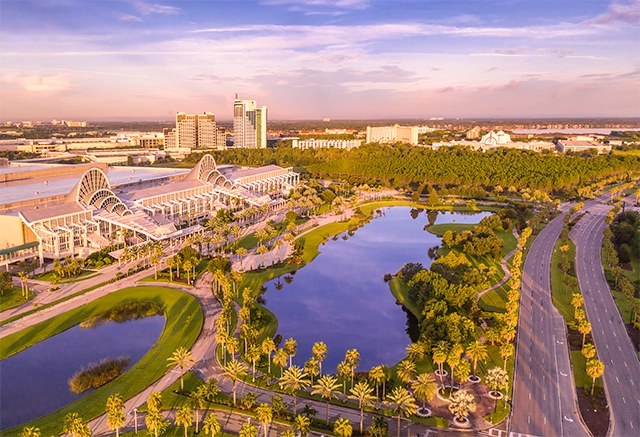
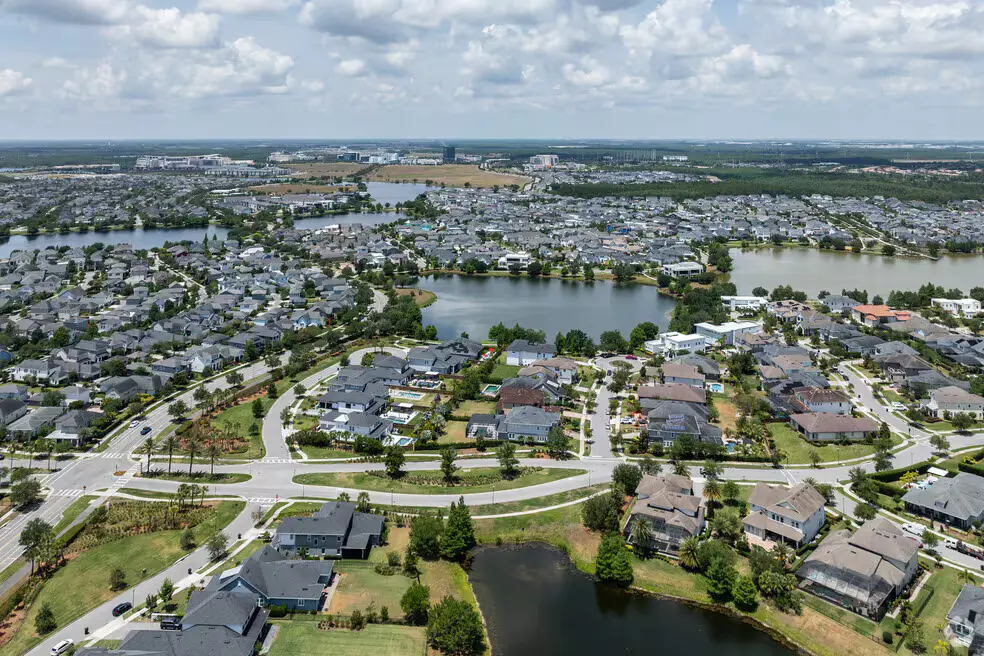
In the Orlando region specifically, 1,443 permits were issued in August, totaling $547.6 million in construction value. For anyone evaluating a purchase in Central Florida, whether for a primary residence, a long-term rental, or a vacation rental, understanding this shift helps frame the decision within an 18 to 24 month horizon, the typical lag between a permit being issued and a new home reaching the market.
What the August Numbers Show
According to Florida Realtors, in a report published September 28, 2026, the state issued 7,842 new residential permits in August, close to $2.9 billion in construction value. The 28% jump from July (when 6,127 permits were issued) partially reverses the 18% drop recorded between June and July, when the count fell from 7,477 to 6,127.
The Orlando region accounted for 1,443 of those permits and $547.6 million in construction value, a meaningful share considering the report also covers the Tampa, Southwest Florida, Jacksonville, and Southeast Florida regions.
Why Building Permits Matter More Than They Seem To
Most coverage of the Orlando housing market focuses on sales data: median price, days on market, available inventory. Those numbers describe the present. Building permits, on the other hand, describe the future: they show how many new homes are headed for the market before a single foundation is poured.
That is especially relevant for anyone who has read about why skilled workers are moving to Florida and what it means for real estate investors: understanding the pace of new supply helps calibrate expectations around competition, pricing, and the speed of appreciation in a given submarket.
What This Shift Could Mean for Prices
A rise in building permits does not automatically translate into falling prices. Between a permit being issued and a home-ready unit reaching the market, 18 to 24 months typically pass, depending on project type and local permitting timelines. In other words, the effect of August's increase on available supply should not be felt concretely until sometime in 2027 and 2028.
In the short term, the number functions more as a confidence gauge: builders and developers do not ramp up permit applications in a market they believe is weakening. August's move suggests part of the sector is betting on growth again after months of slowdown, including in areas Florida Connexion has already covered, such as the growth of West Orange County with the Oakland Village project.
How This Connects to the Region's Fiscal Stability
It is worth remembering that the pace of new construction in a county is also tied to local government's capacity to fund infrastructure, schools, and services for those new units. In Orange County, that fiscal capacity is under debate right now, with Amendment 3 on the November 2026 ballot, which could cut county revenue by up to $165 million as early as 2027. Investors evaluating purchases in growth corridors do well to track both stories together.
Frequently Asked Questions
What are residential building permits and why does this number matter?
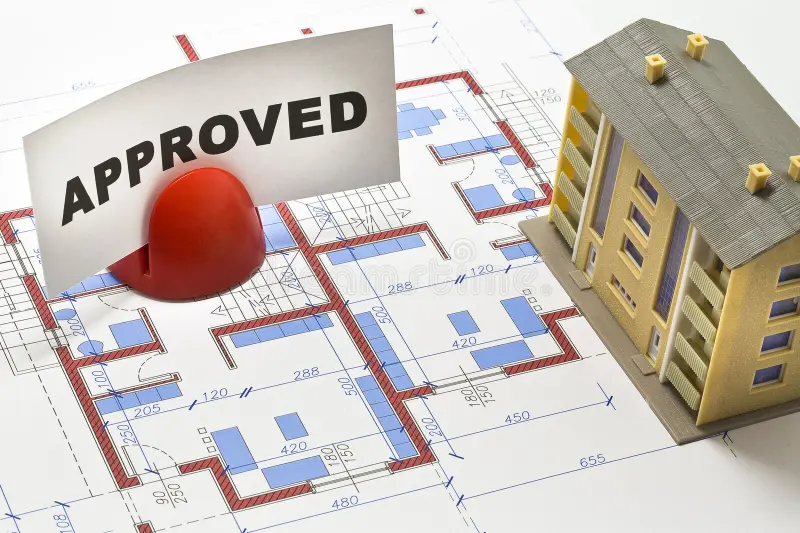
Building permits are approvals issued by local or state authorities before a residential project can break ground. They work as an early indicator of future housing supply, showing today what will only reach the market 18 to 24 months from now.
Does a 28% jump in permits mean Orlando home prices will drop?
Not necessarily. The effect of this new supply on prices will only show up concretely between 2027 and 2028, once these homes are completed. In the short term, the number mostly reflects builder confidence in the region.
Does this August 2026 data only cover the city of Orlando?
No. The Florida Realtors report covers the entire state and breaks the data down into five major regions, including Orlando, Tampa, Southwest Florida, Jacksonville, and Southeast Florida. The Orlando region accounted for 1,443 of the 7,842 permits issued statewide in August.