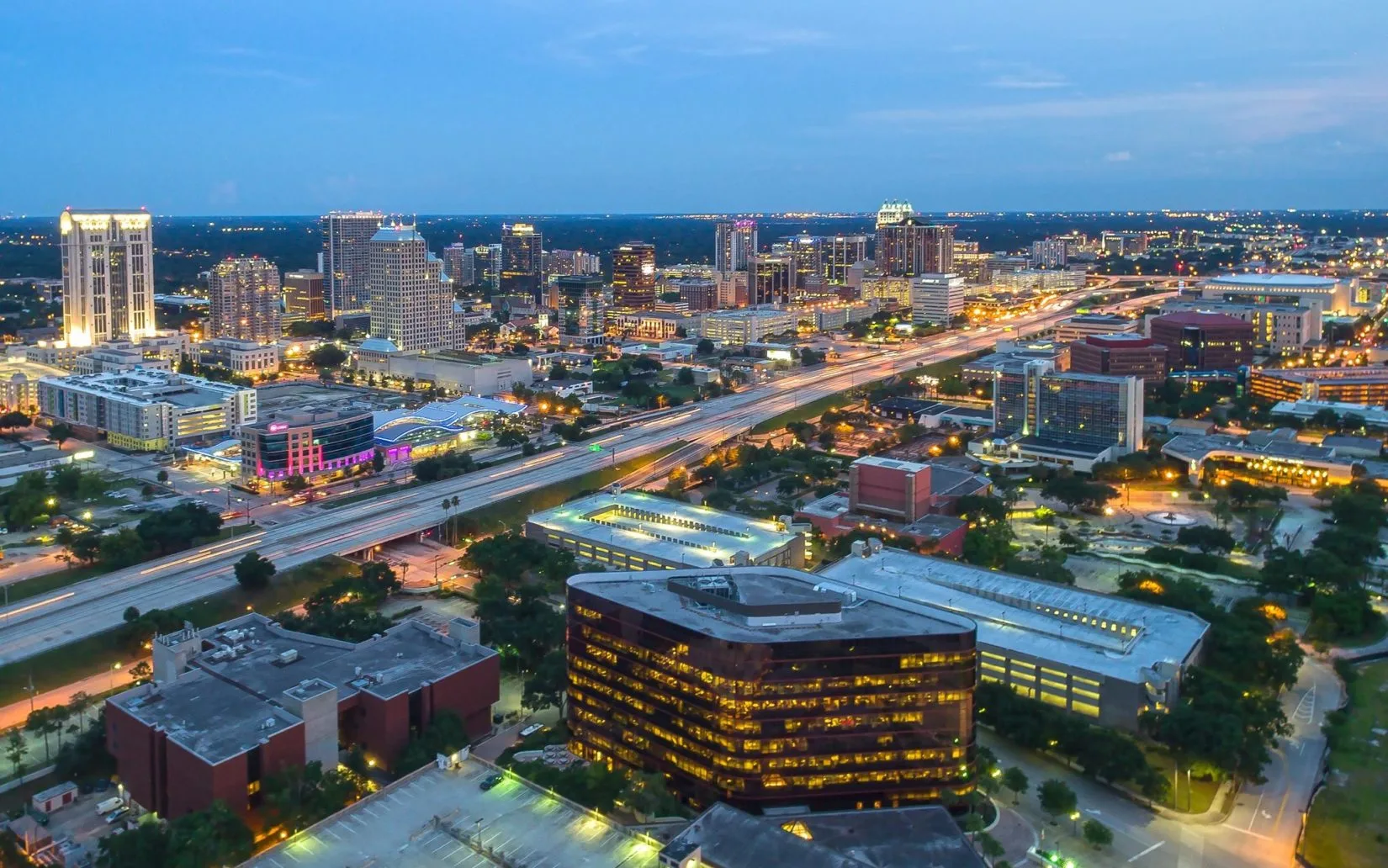
Orlando added 20,600 jobs in the 12 months ending June 2026, outpacing the national growth rate and reinforcing demand fundamentals for housing, rentals, and commercial space across the region.
For investors weighing where to put capital to work, employment data often says more about a market's underlying health than any single forecast about appreciation. In 2026, Orlando's job numbers have stood out: the region led job creation statewide, outpacing the combined growth of Miami, Tampa, and Jacksonville over the same period.
That does not mean buying property in Orlando guarantees a return. It means the economic foundation that supports housing and rental demand in the region has, according to the latest available data, been expanding consistently. At Florida Connexion, we evaluate every opportunity within a complete strategy, and understanding the local economic context is part of that process.
This article walks through the key numbers behind that growth and what they help explain about current real estate dynamics in Central Florida.
The numbers behind Orlando's economic growth
According to the most recent market data, for the 12-month period ending June 2026, Orlando added 20,600 jobs, up from 9,600 in the equivalent period a year earlier, more than double. Between January and June 2026 alone, the region added 12,300 jobs. Annual job growth in the region reached 1.4%, compared to 0.3% nationally, and Orlando accounted for roughly half of Florida's total net job gains during the period. The regional unemployment rate stood at 4.6% in June 2026.
These figures place Orlando among the most active job-growth metros in the country for the period, ahead of other major Florida metropolitan areas, and reinforce what we covered in Why Orlando Remains One of the Strongest Real-Estate Markets in the U.S. in 2026.
Business confidence and office absorption
Job growth rarely happens in isolation. Surveys of regional businesses point to a strengthening business environment: 55% of businesses reported higher revenue than the prior year, 50% reported improved profitability, and 72% said they were confident in their own business prospects. Office space absorption in Orlando was described as the strongest in five years.
For commercial real estate, this is a meaningful signal. Rising office absorption tends to track active hiring and corporate expansion, both of which also influence housing demand near employment centers. We explore this segment further in Florida Commercial Real Estate: Trends and Investment Opportunities.
Foreign investment and international presence
One reason international investors, including many from Brazil, look at Orlando is the region's already-established base of international capital and companies. The latest data reinforces that profile: 23% of the metro area's population was born outside the United States, more than 340 foreign-owned companies, from over 30 countries, operate in the region, and they employ roughly 40,000 workers locally. Over the past decade, the region has received $2.7 billion in foreign direct investment.
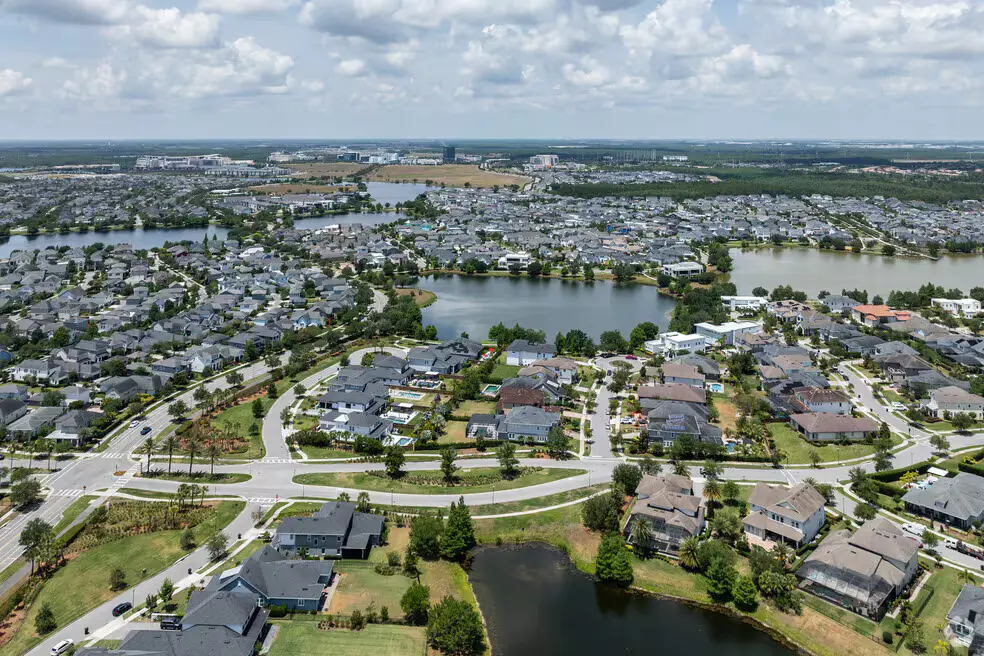
This established international ecosystem is one reason Orlando is often seen as a relatively accessible entry point for foreign investors who are beginning to build assets in the United States. For a closer look at one of the submarkets benefiting most from this growth, see Horizon West Orlando Florida: A Growing Community.
A shifting job mix: technology and artificial intelligence
Another notable data point is the growth in AI-related job postings in the region. In June 2026, the metro recorded approximately 1,900 AI-related postings, roughly double the volume from a year earlier and about four times the level seen in 2024. This trend suggests Orlando's economy is not relying solely on tourism and hospitality, the sectors historically most associated with the region. There is a diversification underway, with technology, healthcare, and professional services gaining meaningful share of job creation.
What this means for the real estate market
Job growth is one of the fundamentals most closely watched by real estate analysts, because it is directly tied to the local population's ability to pay rent, qualify for financing, and sustain demand for new residential and commercial development.
- Rental demand: more jobs typically translate into more households moving closer to employment centers, which supports long-term rental demand.
- Commercial opportunity: strength in the office sector may point to opportunities in the commercial segment as well, not just residential.
- International familiarity: an established base of foreign capital can, in some cases, make it easier for new international investors to become familiar with the local market.
It is important to be clear: none of these factors guarantees future appreciation for any specific property. Every investment decision should account for location, property type, operating costs, and the investor's expected return profile, always supported by individualized analysis.
How to evaluate this information before investing
Macroeconomic data like the figures above is a useful starting point, but it does not replace a specific analysis of the property and submarket under consideration. Before making a decision, it is worth reviewing how job growth is distributed across Orlando's different submarkets, evaluating available inventory in each area, not just demand, considering your intended investment horizon, whether for rental income, long-term appreciation, or personal use, and consulting professionals who track the local market closely and can put the latest data into context.
Frequently Asked Questions
Does Orlando's job growth guarantee property appreciation in the area?
No. Job growth is an indicator of potential demand and economic health, but property appreciation depends on multiple factors, including supply, specific location, and market conditions at the time of purchase and sale. Florida Connexion does not guarantee returns or appreciation on any investment.
Can foreign investors buy property in Orlando based on this economic outlook?
Yes, foreign buyers can generally purchase real estate in the United States, including in Orlando. However, financing, tax structure, and documentation requirements vary by buyer profile and should be reviewed with qualified professionals before any decision.
Which sectors are driving Orlando's current job growth?
The latest data points to growth spread across technology, including AI-related roles, professional services, healthcare, and the traditional tourism and hospitality sector, alongside strong activity in the corporate office market.