How many Brazilian buyers are purchasing property in Miami, and what is their average purchase price? In 2025, Brazil tied for 3rd place among foreign countries buying residential property in Miami, with an average purchase price of $777,400, 39% above the global average for international buyers.
For anyone following the Miami real estate market, international buyers stepping up their purchases is not news on its own. What stands out in the latest data from MIAMI Realtors, South Florida's realtor association, is the size of Brazil's share within that capital flow, and how much the average Brazilian buyer is willing to spend per property.
Before deciding where to allocate capital in Florida, understanding how Brazil ranks among dozens of other nationalities, and why the Brazilian average ticket runs above the global figure, helps interpret the level of intent and sophistication behind these purchases.
The Profile of International Buyers in Miami in 2025
According to the "2025 Profile of International Buyers" report from MIAMI Realtors, buyers from 55 different countries purchased 5,300 residential properties in Miami and South Florida throughout 2025. Combined, these transactions totaled $4.4 billion, up 42% in value and 33% in transaction count compared to 2024.
That volume is not an isolated phenomenon: the Miami region accounted for 15% of all residential sales made to foreign buyers across the entire United States in 2025, a disproportionate share for a single metro area within the national market. Miami-Dade remains the country's leading entry point for international capital targeting residential real estate.
Where Brazil Lands in the Ranking
Among those 55 nationalities, Brazil tied with Mexico for 3rd place, accounting for about 7% of total international transactions in Miami. That is consistent with Brazil's historical role as one of the leading sources of capital flowing into Florida, although the report does not publicly break out which countries hold the 1st and 2nd positions.
The figure carries more weight alongside the average price Brazilians pay: $777,400 per property, against a global average of $558,700 across all international buyers. In other words, Brazilian buyers are not just one of the most active groups, they are also, on average, paying more per property in Miami.
The Profile of the Brazilian Investor in Miami
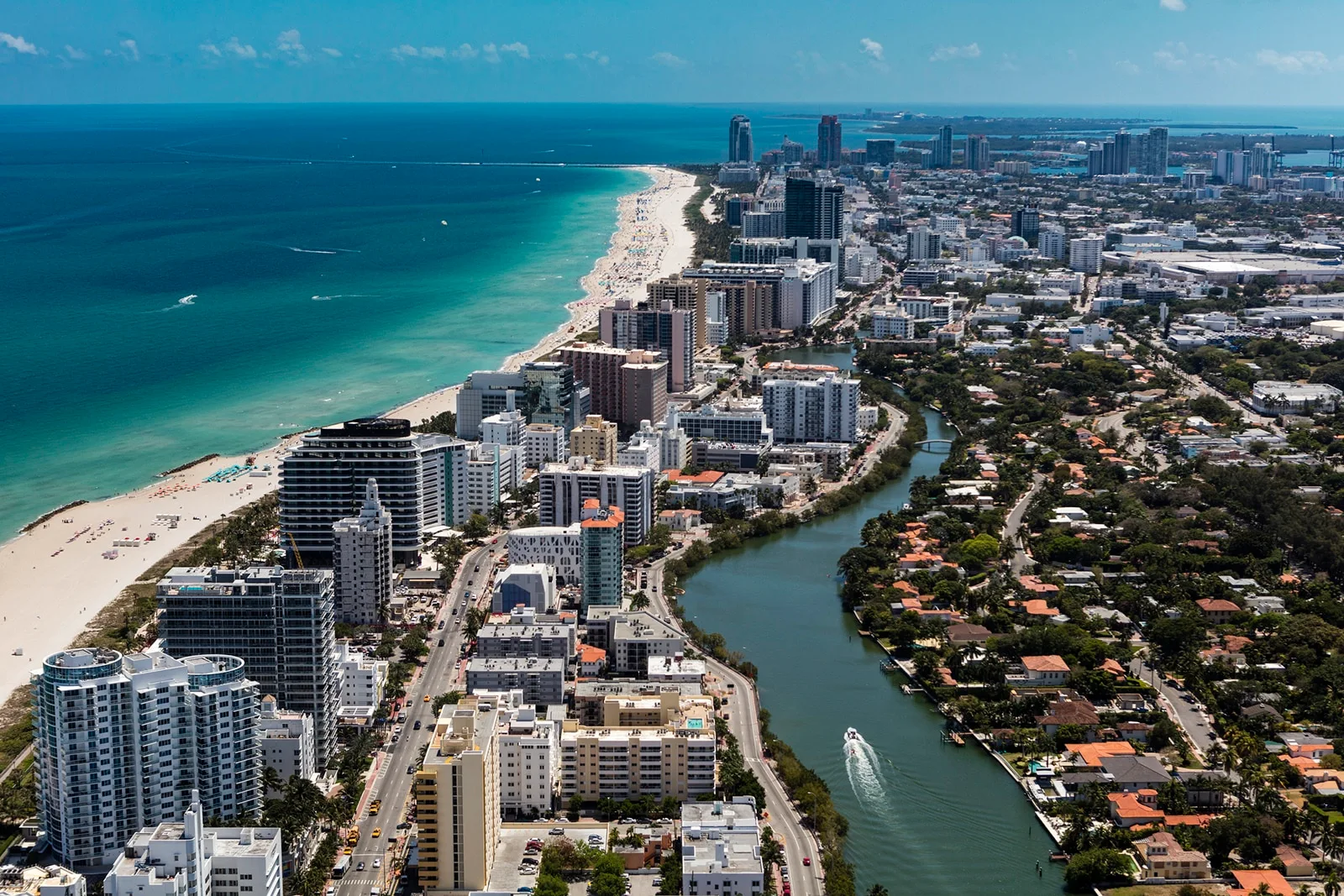
The report also breaks down location and property type preferences. Among Brazilian buyers, 73% prioritize central urban areas of Miami, close to the waterfront and the city's main financial and cultural districts, rather than more distant suburbs. And 63% choose high-rise condos over single-family homes.
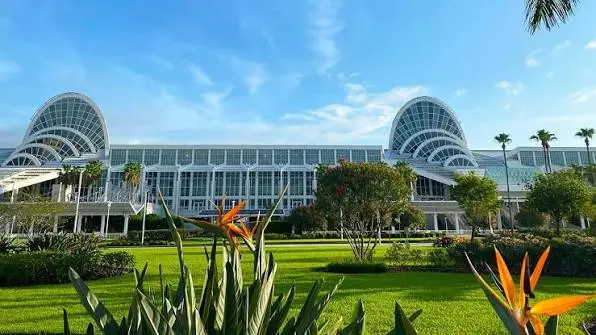
That pattern fits the profile of an investor looking for resale liquidity, rental potential, and less need for hands on management, qualities more associated with well-located condos than with standalone homes in residential neighborhoods. A similar pattern shows up in other Florida markets: in Orlando, for example, growing Brazilian tourism has also been driving demand for properties that combine personal use with short-term rental potential.
How This Fits Into Miami's Current Market Moment
Brazilian buyers' preference for condos is landing at a specific moment in the Miami-Dade market. According to MLS data from MIAMI Realtors for July 2026, the median condo price in Miami fell to $400,000 (down 1.48% year over year), with about 12 months of inventory on the market, twice what is considered a balanced market. Single-family homes are moving in the opposite direction: a median price of $685,000 (up 3.79%) and just 4.8 months of inventory, conditions typical of a seller's market.
That divergence creates a more favorable negotiating window in the condo segment, which happens to be the segment Brazilian buyers favor most. Another relevant data point: only 21 of South Florida's 2,397 condo buildings, about 0.9%, are FHA approved, which helps explain why so many international buyers rely on foreign national financing programs or pay in cash.
What This Means for Anyone Evaluating Miami
For a Brazilian investor weighing where to allocate capital in Florida, the numbers point to two things at once: Miami remains a major destination for international capital, and the condo segment in the city's urban core is going through an adjustment that may favor buyers purchasing now. It is worth noting that Miami is not the only Florida market on institutional investors' radar: Tampa, for instance, climbed to 7th place in CBRE's 2026 ranking of the most targeted markets. In Orlando, job growth has also been supporting investor interest in residential real estate, reinforcing that the investment case for Florida extends well beyond a single city.
Evaluating a decision like this, however, takes more than tracking national or statewide averages: it requires understanding the specific dynamics of each neighborhood, building, and segment within Miami, something aggregate data alone cannot show.
Frequently Asked Questions
Can foreign buyers get financing to purchase property in Miami?
Yes, but the terms differ from those available to US residents: down payments are generally between 30% and 40%, additional documentation is required, and interest rates tend to run slightly higher. Since only a small fraction of South Florida's condo buildings are FHA approved, many international buyers rely on foreign national loan programs or pay in cash.
Why do so many Brazilian buyers prefer condos in Miami's urban core?
Condos in central, well located areas tend to offer stronger resale liquidity, more rental potential, and less need for hands on maintenance, which suits buyers who live in Brazil and manage the property remotely.
Does the higher average price paid by Brazilian buyers mean they are being charged more?
Not necessarily. The higher average ticket largely reflects Brazilian buyers' preference for central urban locations and higher end developments, not a markup applied specifically to Brazilian purchasers.